Building a Children's Shoe Business with Wholesale Girls and Boys Shoes
Starting a children’s shoe business can be both rewarding and profitable. Shoes are a daily necessity, and parents will always invest in quality footwear for their kids. Whether you’re launching a new online store, expanding an existing fashion brand, or exploring retail opportunities, building a strong foundation is key. In this comprehensive guide, we'll walk you through the essential steps to succeed in the footwear industry and show how partnering with top wholesale shoe suppliers like FashionTIY can elevate your business.
In this article, you’ll learn:
- How to plan and launch a successful children’s shoe brand
- The importance of quality products and reliable suppliers
- Market research, branding, and sales channels
- How to scale your business with diverse footwear collections
- Smart marketing strategies for the kids’ shoe market
Throughout this guide, we’ll reference real examples of footwear categories and supply solutions you can use to grow your business — from wholesale girls shoes and wholesale boys shoes to complementary products like bulk home slippers and wholesale shoe packaging.
Why Start a Children’s Shoe Business?
Every parent knows the challenge of finding great shoes that are affordable, comfortable, and durable. That’s why the children’s footwear category remains strong across seasons and markets.
✔ Consistent Demand
Kids grow fast, and shoes wear out even faster. This creates recurring demand as parents regularly purchase new footwear for:
- Back-to-school seasons
- Playtime and sports activities
- Seasonal changes (summer, winter, rainy seasons)
- Special occasions (birthdays, parties, events)
✔ Repeat Customers
Children often require multiple footwear changes per year. If you build quality and trust into your brand, parents will come back for:
- Sneakers and casual shoes
- School shoes and dress designs
- Boots, sandals, and seasonal footwear
✔ Opportunity for Expansion
A children’s shoe business can organically expand into related areas:
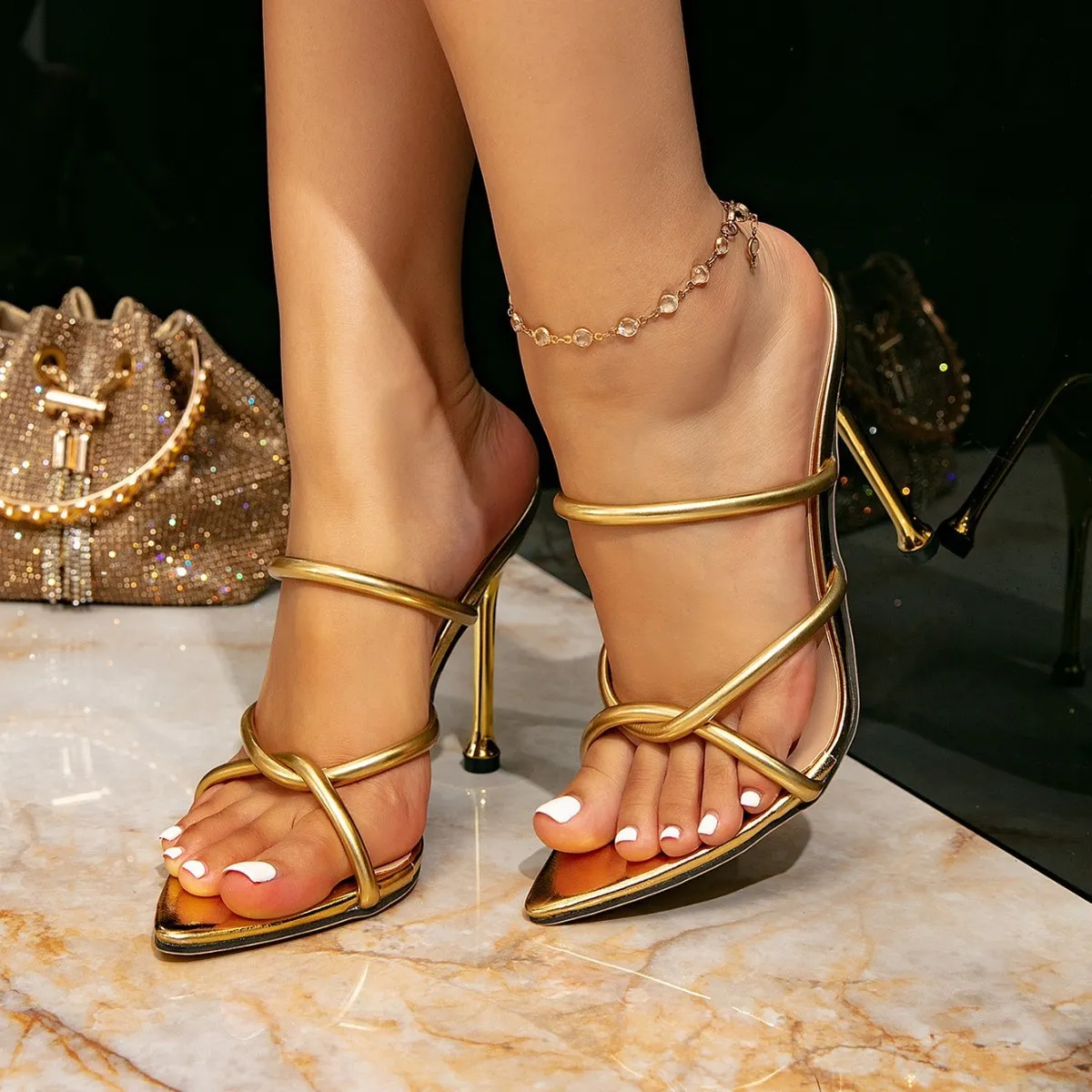
- Wholesale women loafers and wholesale mules for moms
- Seasonal products like bulk summer shoes
- Year‑round basics like bulk sports shoes
- Stylish options such as high heels in bulk for ladies
Step 1 — Conducting Market Research
The first step in building your children’s shoe business is understanding your market.
🧠 Know Your Target Audience
Before ordering inventory or building your website:
- Identify who you’re selling to (parents, gift shoppers, schools)
- Understand buying behavior — online vs retail purchases
- Study trends — what styles are popular (e.g., athletic shoes, casual designs, character prints)
📊 Analyze Competitors
Look at existing brands in your niche. Study:
- Product pricing
- Best‑selling categories
- Customer reviews
- Distribution channels
This information helps you position your business competitively.
📍 Key Trends to Watch
Some consistent trends in the kids’ footwear niche include:
- Eco–friendly material shoes
- Light, breathable bulk summer shoes
- Durable bulk sports shoes for active play
- Trendy looks influenced by popular culture and fashion influencers
Step 2 — Choosing the Right Products
Once you understand your market, it’s time to curate your product selection. A smart product assortment helps you attract more buyers and increase average order value.
🧒 Children’s Core Footwear
Focus on the essentials first:
- Wholesale girls shoes — from cute everyday styles to performance sneakers
- Wholesale boys shoes — sturdy designs suitable for play and school
These core categories are the foundation of your inventory and usually represent the highest demand.
👟 Complementary Collections
To broaden your offerings and appeal to more customers, consider adding:
- Bulk sports shoes — ideal for active kids and school sports
- Bulk summer shoes — easy‑wear designs for sunny months
- Bulk home slippers — cozy shoes for casual home use
These collections make your store more versatile and boost cross‑selling opportunities.
👨👩👧 Adult Options
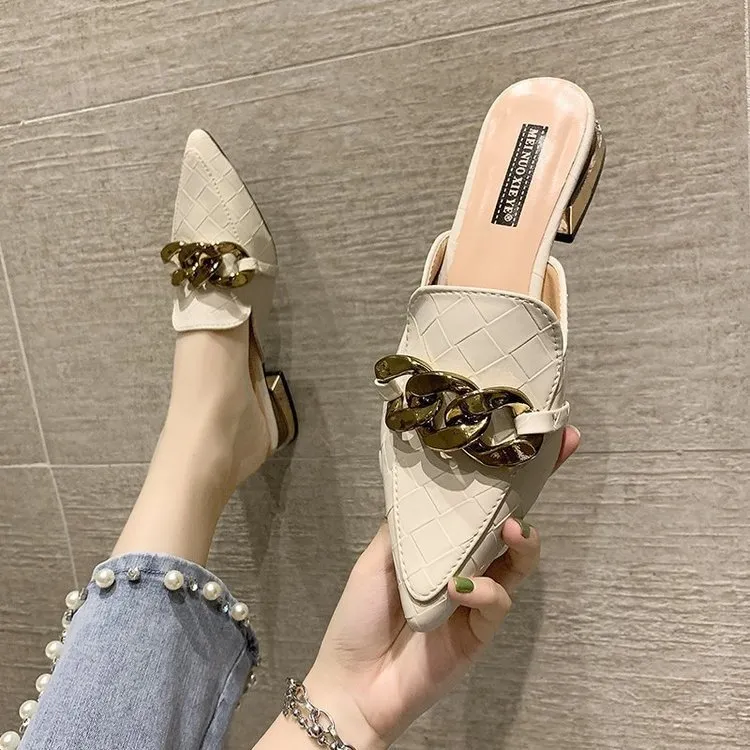
For family‑oriented branding, adding footwear for adults can increase cart size. You can offer:
- Wholesale men’s footwear
- High heels in bulk
- Wholesale women loafers
- Wholesale mules
- Platform designs like platform wedges wholesale
- Seasonal boots such as bulk ankle boots
Including these adult categories encourages family buys and helps establish your store as a lifestyle brand.
Step 3 — Choosing Reliable Wholesale Shoe Suppliers
A successful children’s shoe business depends heavily on choosing the right partners and suppliers.
🧩 Why Wholesale Matters
When you source products from wholesale shoe suppliers, you enjoy benefits like:
- Lower product cost per unit
- Bulk pricing for higher margins
- Easier inventory management
- Product diversity without holding large stock
🏆 Finding Quality Partners
Your suppliers should offer:
- High quality materials
- Fast shipping and clear delivery timelines
- Easy return and exchange processes
- Transparent pricing and MOQ (Minimum Order Quantity) policies
One excellent partner in children’s footwear and beyond is FashionTIY — a global platform that provides a wide range of footwear categories at competitive prices.
📦 Comprehensive Product Range
By working with a supplier like FashionTIY, you can source:
- Children’s shoes (girls & boys) with trending designs
- Seasonal selections like bulk summer shoes
- Bulk sports shoes for active lifestyles
- Adult footwear options for families
This flexibility ensures you can adapt your inventory to customer demand seamlessly.
Step 4 — Building Your Brand Identity
A strong brand connects emotionally with customers and helps differentiate you from competitors.
🎨 Elements of Brand Identity
Start by defining:
- Your brand’s mission and values
- Target audience persona
- Visual style (logo, color palette, typography)
- Brand voice and messaging
Your brand identity should appeal to parents, gift shoppers, and anyone who cares about quality children’s footwear.
💡 Consistent Branding Across Channels
Make sure your logo, product photography, and messaging are consistent across:
- Website
- Social media
- Packaging
- Email marketing
- Digital ads
Consistency builds trust and increases customer loyalty.
Step 5 — Creating Your Online Store
In today’s ecommerce world, having an online presence is essential.
🛍 Platform Options
You can build your store using platforms like:
- Shopify
- WooCommerce
- BigCommerce
- Wix
Choose one that fits your budget and business plan.
🖼 Product Pages That Convert
Great product pages include:
- Clear, high‑quality photos
- Detailed descriptions
- Sizing guides (particularly important for kids)
- Customer reviews
- Related product suggestions
Enhance product presentation with complementary offerings like wholesale shoe packaging to create professional unboxing experiences.
Step 6 — Logistics and Inventory Management
Managing inventory and supply chain effectively keeps your business running smoothly.
📦 Avoiding Stockouts
Closely monitor inventory levels, and reorder bestselling items in time. Tools like inventory management software can automate alerts.
🚚 Shipping and Fulfillment
Offer:
- Free shipping thresholds
- Expedited shipping options
- Clear delivery timelines
Partner with reliable carriers and consider third‑party fulfillment services if needed.
Step 7 — Pricing and Profit Margins
Smart pricing determines sustainability.
💰 Pricing Strategies
Consider:
- Cost of goods + shipping
- Market pricing benchmarks
- Perceived value and brand positioning
Maintain healthy profit margins while staying competitive.
Step 8 — Marketing Your Children’s Shoe Business
Marketing is crucial to generating traffic and sales.
📢 SEO and Content Marketing
Optimize your site with keywords like:
- “Wholesale kids’ shoes”
- “Affordable children’s footwear”
- “Best children’s sneakers”
Create blog posts, guides, and videos to educate parents and draw organic traffic.
📱 Social Media Marketing
Platforms like Instagram, Pinterest, and TikTok are excellent for:
- Style inspiration posts
- Product showcases
- Influencer partnerships
User‑generated content from happy customers boosts credibility.
Step 9 — Customer Service and Retention
Great customer service turns first‑time buyers into repeat customers.
🤝 Build Customer Trust
Offer:
- Easy returns and exchanges
- Responsive support
- Transparent policies
Include fun post‑purchase emails and loyalty incentives.
Step 10 — Scaling Your Business
Once your shoe business is established, scale strategically.
🚀 Expansion Ideas
- Add more footwear categories (adult, seasonal, sports)
- Partner with retail stores
- Launch private label collections
- Expand into international markets
Scaling becomes easier when you have reliable partners like wholesale shoe suppliers with diverse inventory.
Building a children’s shoe business can be highly profitable and creatively fulfilling. With the right planning, quality products, smart marketing, and dependable suppliers like FashionTIY, you can establish a brand that resonates with customers and grows sustainably over time.
By focusing on children’s core footwear like wholesale girls shoes and wholesale boys shoes, and complementing them with a range of related footwear categories, you open the door to recurring sales, loyal customers, and long‑term success in the footwear marketplace.


Comments
Post a Comment